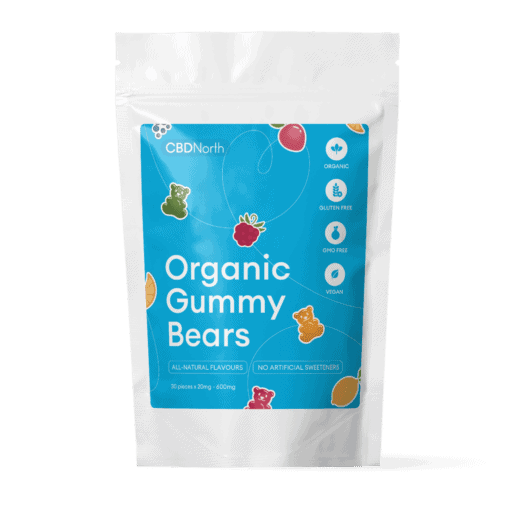
CBD gummy labels contain critical dosing information that requires careful interpretation to ensure safe and effective usage for therapeutic purposes. When you buy CBD gummies, understanding label terminology, concentration measurements, and serving size specifications prevents dosing errors while enabling informed purchasing decisions based on individual needs, potency requirements, and quality verification through proper label analysis and interpretation.
CBD concentration specifications
Total CBD content per container versus per-serving amounts requires careful distinction to avoid dosing confusion and overconsumption. Labels should clearly state both total milligrams in the entire package and specific amounts per individual gummy to enable accurate single-dose calculations and daily intake planning.Milligram measurements represent the standard unit for CBD dosing, though some manufacturers may use percentages or alternative measurements that require conversion for practical dosing applications. Understanding these measurement systems ensures accurate dose determination regardless of label presentation format.
Serving size clarification
Individual gummy CBD content enables precise dosing when labels specify milligrams per piece rather than requiring mathematical calculations from total container amounts. This per-piece information becomes essential for gradual dose titration and consistent daily intake management across different product brands.Multiple gummy serving suggestions may indicate higher recommended doses that exceed individual tolerance levels, particularly for beginners requiring conservative starting amounts. These multi-piece servings require division calculations to determine appropriate single-gummy doses for sensitive users.
Spectrum type identification
Full-spectrum, broad-spectrum, and CBD isolate designations indicate different cannabinoid profiles affecting therapeutic effects and drug interactions. Full-spectrum contains all hemp compounds, including trace THC, while isolate provides pure CBD without additional cannabinoids or terpenes.THC content disclosure becomes legally required in many jurisdictions, which affects drug testing results and psychoactive potential. Labels should clearly state THC amounts to enable informed decisions about products that might affect employment or legal situations requiring drug test compliance.
Ingredient transparency requirements
Complete ingredient lists enable allergy identification and dietary restriction compliance while revealing artificial additives, preservatives, or sweeteners that might affect individual tolerance. These comprehensive lists help consumers avoid problem ingredients while making informed choices about product quality.
- Sugar and sweetener types affecting diabetic and dietary considerations
- Allergen warnings for common sensitivities, including gelatin, gluten, or nuts
- Artificial colours and flavours that might trigger sensitivity reactions
- Preservative systems used for shelf life maintenance and safety
- Natural versus synthetic ingredient sourcing for quality assessment
Comprehensive ingredient disclosure enables informed purchasing decisions while supporting dietary management and allergy avoidance protocols.
Expiration and storage guidance
Manufacturing and expiration dates indicate product freshness while establishing consumption timelines for optimal potency and safety. CBD products may lose effectiveness over time while potentially developing harmful compounds through degradation processes.Storage instruction compliance maintains product integrity and extends shelf life while preserving therapeutic effectiveness. Temperature, humidity, and light exposure recommendations protect CBD stability while preventing premature degradation that reduces therapeutic value.
Suggested serving sizes provide starting points rather than absolute requirements, as individual needs vary significantly based on weight, tolerance, and therapeutic goals. These recommendations should be viewed as guidance requiring personal adjustment based on individual response patterns.Daily maximum recommendations help prevent overconsumption while establishing safety parameters for regular usage. These limits reflect manufacturer liability concerns while providing conservative usage guidelines that minimise adverse effects. Proper label analysis ensures accurate dosing while supporting quality product selection and therapeutic effectiveness through educated consumer decision-making and proper product evaluation.